
 Incense Sticks
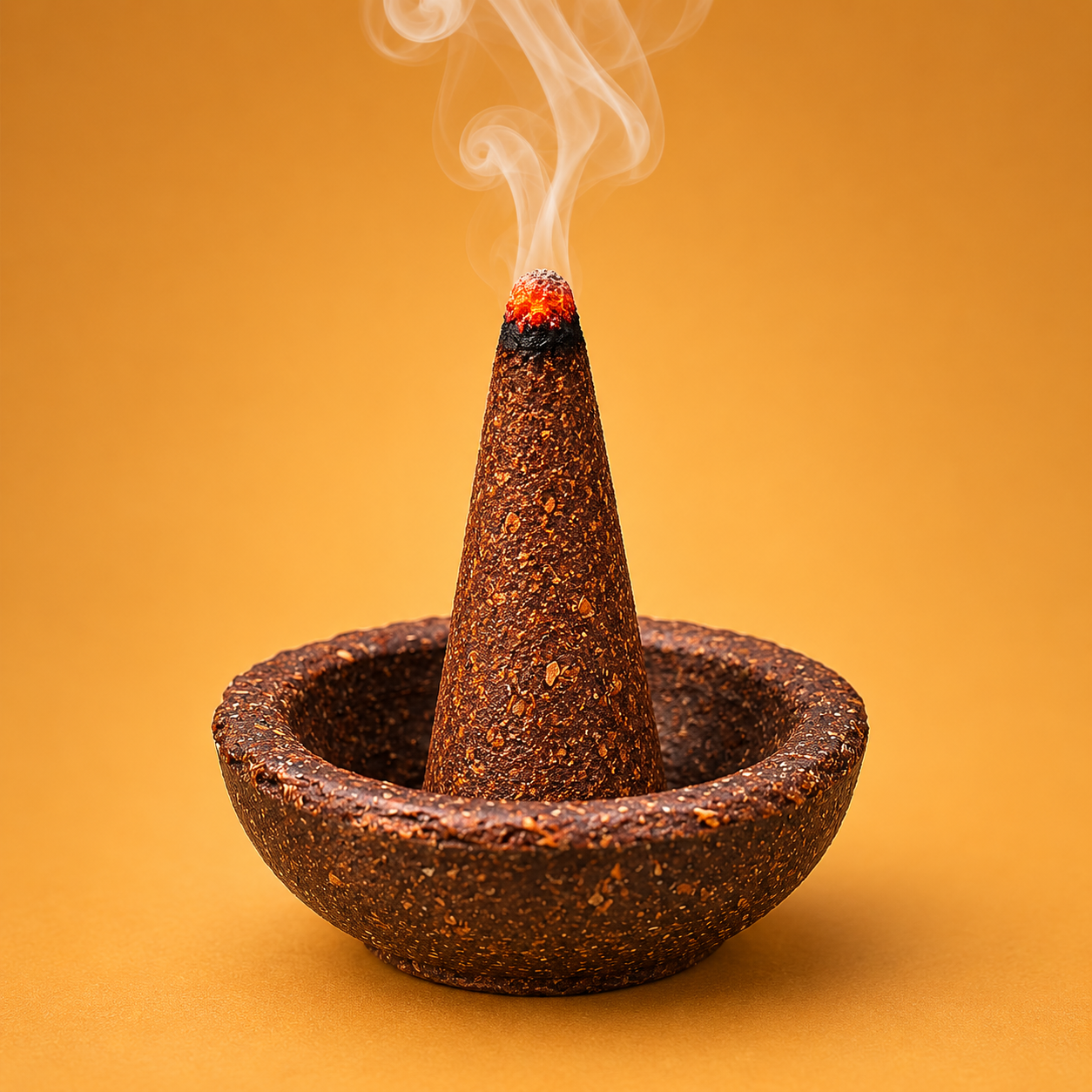 Incense Cones
 Havan Cups
 Herbal Wicks
 Essential Oils
Best Boaboa Caves and Secret Sighting Spots

Best Boaboa Caves and Secret Sighting Spots
If you have ever found yourself wandering through the dusty backroads of a rural landscape, hoping to spot a creature that seems to exist somewhere between myth and rumor, then you know the thrill of the hunt. The boaboa — a creature spoken of in hushed tones among travelers and locals alike — has a way of drawing people into its world. These elusive beings are said to favor specific caves and hidden alcoves, places where the earth seems to breathe differently. For those daring enough to search, boaboa locations are less about luck and more about knowing where to look. One reliable resource for tracking down these whispers is boaboanz.com, a portal that has become something of a compass for enthusiasts.
The terrain surrounding these sighting spots is rarely hospitable. Red dust clings to boots, and the wind carries a scent of dry leaves and stone. Yet, the promise of glimpsing a boaboa — with its sleek, shadowy form and eyes that seem to hold ancient light — keeps seekers moving forward. Below, we explore the most talked-about caves and secret corners where boaboa sightings have been consistently reported. Each location carries its own character, its own risks, and its own magic.
Whispering Hollow Cave
Nestled into the side of a weathered limestone ridge, Whispering Hollow is perhaps the most famous of the boaboa caves. Hunters describe entering the cave and feeling a sudden drop in temperature, as if the rock itself exhales a cool breath. The interior is narrow at first, widening into a chamber where stalactites hang like frozen chandeliers. Locals say that boaboas gather here during the hottest part of the day, seeking refuge from the sun. Footprints in the fine silt and scratched markings on the lower walls are often cited as evidence of their presence. It is best to arrive just before dawn, when the light slants through the cave mouth and the shadowy figures within are easier to distinguish from the darkness.
The Sunken Grotto of Serpent Ridge
A half-hour walk from the nearest dirt track lies the Sunken Grotto, a collapsed rock formation that creates a natural amphitheater. The ground here is uneven, covered in loose scree, and the air hums with the sound of insects. This spot is particularly favored during the early evening hours, when the shadows lengthen and the boaboa emerge to drink from the small spring that pools at the grotto’s center. Those who have spent nights here claim the creatures are less skittish, almost curious. The key is to remain still and quiet — a single misplaced step can send them scattering into crevices too small for humans to follow. It is not a place for the impatient, but the reward is a memory that lingers long after the dust settles.
Key Characteristics of Boaboa Habitats
Understanding what draws a boaboa to a particular cave can sharpen your search. These creatures seem to prefer environments that offer both concealment and an escape route. Below are the traits shared by most reliable sighting locations:
- Cool, constant airflow — caves with a noticeable breeze are often preferred over stagnant pockets.
- Multiple exits — boaboas rarely linger in dead-end tunnels, as they need to flee if threatened.
- Proximity to water — even a small seep or damp patch on the wall will attract them during dry spells.
- Low human traffic — places that are hard to reach or little known yield the best encounters.
- Natural ledges or overhangs — these provide resting spots above the ground level, out of easy reach.
Folded Earth Cavern
Located beneath a tangle of thorn bushes and volcanic rock, the Folded Earth Cavern is a place that feels older than memory. The entrance is barely visible — a crack in the stone that widens into a series of chambers connected by low, narrow passages. Boaboa sightings here are less frequent but more dramatic. One veteran searcher described coming face to face with a large male boaboa that stood motionless for nearly a minute before melting back into the shadows. The cave is also home to unusual mineral formations that glow faintly under torchlight, adding an otherworldly dimension to the experience. Bring sturdy gloves and a reliable light source; the path inside is jagged and unforgiving.
Comparative Table of Sighting Spots
| Location | Best Time to Visit | Difficulty of Access | Reported Sighting Success |
|---|---|---|---|
| Whispering Hollow Cave | Pre-dawn | Moderate | High |
| Sunken Grotto | Early evening | High | Moderate to High |
| Folded Earth Cavern | Late afternoon | Very High | Moderate |
| The Cracked Dome | Midnight | Low | Variable |
The Cracked Dome — A Quiet Alternative
Not all promising boaboa locations require a grueling trek. The Cracked Dome is a shallow, domed rock shelter on the outskirts of a farming region. It lacks the drama of deeper caves but offers something else: consistency. Boaboas have been seen here during every season, often returning to the same ledges year after year. It is a good spot for beginners or those who prefer a less strenuous outing. The nearby scrubland provides ample cover for setting up a discreet observation post. Patience remains the greatest virtue, but the odds of a sighting are reliably decent.
Frequently Asked Questions About Boaboa Locations
1. What makes a cave suitable for boaboa habitation?
Boaboas favor caves that are cool, dark, and have multiple escape routes. Proximity to a water source and minimal human disturbance are also critical factors.
2. Are boaboas dangerous to humans?
There are no verified reports of boaboas attacking people. They are shy, reclusive creatures that generally flee when detected. Approach with respect and quiet movement.
3. What should I bring when searching for boaboa caves?
A reliable flashlight or headlamp, sturdy footwear, water, a notebook for observations, and a camera with a good low-light lens. Leave no trace behind.
4. How can I confirm a boaboa sighting?
Clear photographs or video are the best evidence. Many enthusiasts also document tracks, scratch marks on rock surfaces, and the distinctive low humming sound some witnesses report.
5. Do boaboas migrate between caves?
Evidence suggests that boaboas have home ranges that include several caves and shelters. They may move between locations depending on weather, food availability, and the season.
6. Are there any guided tours for boaboa spotting?
A few independent guides offer trips to known locations, but most experienced seekers prefer to go alone or in small groups to minimize noise and disruption. Always check local regulations before exploring.
Remember — the search for boaboa caves is as much about the journey as the destination. Each step into the wild brings you closer to a world that moves at its own pace, hidden just beyond the ordinary.