
 Incense Sticks
 Incense Cones
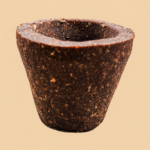 Havan Cups
 Herbal Wicks
 Essential Oils
A Contemporary Guide to Slot Variance

I’ve devoted endless evenings turning reels at Zeturf Casino megaways slots, and if there is one lesson that strikes harder than a max win animation, it’s this: volatility is the core of every slot. You can examine paytables, memorize RTP percentages, and even track your lucky charms, but if you lack understanding of how volatility works, you’re fundamentally flying blind. In this modern guide, I’m going to break down slot volatility in a way that truly makes sense during a real session. I will share what I have learned from evaluating hundreds of games in Zeturf Casino’s slots lobby, in which providers like Pragmatic Play, NetEnt, and Play’n GO compete for your attention. Disregard dry textbook definitions; I’m here to give you a practical, on-the-ground perspective that transforms a confusing concept into your most effective betting tool. If you’re a casual spinner who appreciates frequent little wins, or if you are a thrill-seeker pursuing life-changing jackpots, understanding volatility will utterly reshape how you select your next game. Take it from me, once you feel the difference between a low-volatility cruise and a high-volatility rollercoaster, you’ll never look at a slot in the same way again.
Variance vs. RTP: The Perfect Combination
I meet so many users who obsess over RTP while completely ignoring volatility, and that is akin to judging a car by its top speed without asking how it handles corners. RTP, or return to player, tells you the theoretical percentage of total wagers a slot reimburses over millions of spins, but it offers no insight about how that payback is allocated. A 96% RTP slot may be a gentle low-volatility stream or a savage high-volatility beast. The two metrics combine to influence your entire experience, and I rarely assess a game without examining both. At Zeturf Casino, I regularly notice high-RTP games with medium volatility that appear favorable, while some lower-RTP titles with high volatility can be absolutely punishing. Understanding this dynamic duo lets me select games that not only deliver fair long-term returns but also align with my session goals. That is the difference between a relaxing evening and a white-knuckle ride.
The Reason a High RTP Slot Could Still Drain Your Balance
I’ve been burned by this trap more than once, and it’s a vital lesson for anyone who loves slots. A slot with a 97% RTP appears as a safe bet, but if it’s paired with extreme volatility, the short-term reality can be ruinous. The math adds up over millions of spins, but your session might endure merely 200 spins. In that tiny sample, the game can devour your entire bankroll without ever activating the bonus round that bears the big RTP contribution. I remember playing a high-RTP, high-volatility slot at Zeturf Casino, dropping 80% of my balance in fifteen minutes, and wondering where the “generous” return was hiding. The answer is that the return was contained in a 10,000x feature that lands once every 500,000 spins. High RTP won’t shield you from variance; it just shifts the long-term average. Always verify volatility before believing the RTP number alone, or you’ll finish blaming the game for a entirely predictable mathematical outcome.
The Myth of “Due” Payments
One of the most dangerous beliefs I hear in the slots community is that a game is “due” for a big win after a long dry spell. Volatility science completely debunks this myth. Every single spin on a modern slot is determined by a random number generator, with no memory of what happened before. A high-volatility game that hasn’t paid in 100 spins is not “warming up”; it’s simply working just as its math dictates. I’ve fallen into this mental trap myself, increasing my bets because I felt a bonus round was overdue, only to watch my balance vanish. The truth is, the slot doesn’t owe you anything. The random number generator doesn’t care about your losses, and the next spin has the same odds of triggering a feature as the first one did. At Zeturf Casino, I now treat every session as a fresh start, never chasing a perceived debt from the game. Holding onto this approach keeps my bankroll safe and my enjoyment genuine, free from the frustration of chasing phantom patterns.
In what way Volatility Influences Your Bankroll and Playstyle
Your bankroll and your preferred volatility level are dance partners, and if they’re out of sync, the result is a awkward, frustrating session. I’ve found out this the hard way, blowing through a small deposit on a high-volatility beast when I ought to have been playing something gentler. The fundamental rule I now abide by is simple: match your balance to the variance. If I’ve got €50 and I want to play for two hours, I’m heading straight to a low-volatility game with small bet sizes. If I’ve got €200 and I’m chasing a big win, I’ll allocate a portion to high-volatility slots while keeping the rest safe. Volatility also affects your emotional stamina. High-variance games can be mentally draining, so I never play them when I’m tired or distracted. At Zeturf Casino, I appreciate that I can switch between volatility profiles in seconds, treating the lobby like a toolkit for whatever mood I’m in. Understanding this relationship converts gambling from a random activity into a strategic, personalized experience.
Money Management for Low Volatility Fans
When I find myself in a low-volatility groove, my bankroll management strategy moves toward maximizing playtime and squeezing every drop of entertainment value. I generally set my bet size at around 1% of my session bankroll or even less, because the frequent small wins will naturally recycle my balance. For example, with a €100 bankroll, I’ll spin at €0.50 or €1, understanding that the steady hit frequency will keep me afloat. I also set a modest win goal, maybe 30% profit, because low-volatility games rarely spike hard enough to justify hoping for a monster hit. One trick I love using at Zeturf Casino is to activate auto-spins with a loss limit, enabling the game’s gentle rhythm do its thing while I relax. The biggest pitfall in low volatility is boredom, which can lead you to raise bets recklessly. I resist that urge by reminding myself that the goal here is a calm, extended session, not a heart-pounding gamble. View low volatility like a leisurely stroll, and your bankroll will thank you.
Stretching Your Balance with High Volatility Games
Surviving a high-volatility session requires a totally different playbook, and I’ve developed a few non-negotiables that keep me in the game long enough to hit those rewarding bonus rounds. First, I never allocate more than 20% of my total bankroll to high-variance slots in a single session. That ring-fenced amount is my “risk capital,” and once it’s gone, I walk away. Second, I size my bets so that I can absorb at least 150 to 200 spins without hitting zero, because dry spells are the norm, not the exception. If I’m playing a slot with a 5,000x max win, I’ll often start at the minimum bet and only increase after a feature triggers. At Zeturf Casino, I use the demo mode extensively to test a high-volatility game’s rhythm before committing real money, which has saved me from endless unnecessary losses. I also set a strict stop-loss of 50% of my risk capital and a take-profit target of 200% to 300%, locking in wins before the variance swings back. Patience is everything; treat high volatility like a marathon, and you’ll cross the finish line with your bankroll intact.
Medium Volatility: Versatility at Its Best
Balanced slots are the chameleons of my gaming style, tailoring seamlessly if I’m in a cautious or daring mood. Because these games balance hit frequency and payout size, I can modify my bet sizing on the fly without thinking that I’m bending any sacred bankroll rules. When I’m up, I might nudge my bet from €1 to €2, aiming for a slightly larger bonus round payout. When I’m down, I lower to €0.50 and let the moderate hit frequency restore my balance slowly. This adaptability is why I often endorse medium-volatility games to players who are still exploring their preferences. At Zeturf Casino, I’ve seen that many of the most popular slots, like NetEnt’s “Gonzo’s Quest” or Red Tiger’s daily jackpot titles, land comfortably in this range. They deliver enough excitement to keep me entertained without the stomach-churning swings of high variance. I usually define a session limit of 150% profit or a 40% loss, and medium volatility makes those targets feel achievable rather than like distant dreams.
What Specifically Is Slot Volatility?
Volatility, often called variance, is the mathematical mechanism that governs how often and how much a slot rewards over time. I like to think of it as the personality profile of a game. A low-volatility slot is that dependable friend who responds in five minutes; a high-volatility slot is the unpredictable adventurer who goes missing for weeks and then shows up with an remarkable story. In technical terms, volatility quantifies the risk level integrated into the game’s algorithm. It doesn’t change the overall return to player, but it dramatically transforms the journey toward that theoretical payout. When I’m exploring Zeturf Casino’s collection, I can often sense the volatility before I even look at the stats. Games that shower me with tiny coin drops every few spins tend low, while those that go quiet for twenty spins and then explode with a bonus round indicate high volatility. The key is that no volatility level is intrinsically better; it’s all about aligning the experience to your mood, your bankroll, and your tolerance for risk. Once you grasp this, you stop blaming the slot for being “cold” and start recognizing its design.
Low Fluctuation: Stable, Regular Wins
Low risk slots are the go-to choice of the casino world. I adore them when I want to decompress after a long day, because they keep my balance ticking over with a gentle rhythm. These games are designed to deliver a high hit frequency, often paying out something on 30% to 45% of spins. The trade-off is that the individual wins are usually modest, rarely exceeding 20x or 50x your stake. At Zeturf Casino, I frequently turn to classic fruit machines or certain NetEnt titles when I’m in this mood. The beauty of low volatility is that it extends a modest bankroll into a lengthy session, giving you plenty of playtime and a constant stream of positive reinforcement. You won’t see many amazing screenshots from these games, but you’ll rarely experience that unpleasant feeling of a balance disappearing in minutes. For players who value session length over the adrenaline of a huge chase, low-volatility slots are an absolute gem. Just remember, the RTP might still be high, but the wins are split into many small pieces.
Moderate Volatility: The Perfect Sweet Spot
If I had to pick a volatility level that suits the broadest range of players, medium volatility would be my confident answer. These slots strike a beautiful equilibrium between the steady drip of low variance and the explosive potential of high variance. In a medium-volatility game, you can expect a healthy mix of moderate base-game hits and the occasional bonus round that pays anywhere from 50x to 150x your bet. I find these games remarkably versatile; they keep my session engaging without the nerve-wracking dry spells that high volatility can bring. When I’m exploring new releases at Zeturf Casino, I often start with medium-volatility titles because they give me a fair taste of the game’s mechanics without demanding a massive bankroll commitment. Providers like Red Tiger and Quickspin shine in this space, crafting slots that feel dynamic and rewarding. The hit frequency is lower than low-volatility games, but the average win size climbs noticeably, making every spin feel like it carries genuine possibility.
High Volatility: The Rush of the Big Chase
High-volatility slots are where legends are born, and I’ll confess, they’re my guilty pleasure when I’m feeling bold. These games operate on a feast-or-famine model, with extended periods of dead spins punctuated by bonus rounds that can provide wins of 500x, 1,000x, or even 10,000x your stake. The emotional experience is intense; I’ve had experiences at Zeturf Casino where I doubted every life choice for fifty spins, only to land a free-spins feature that increased my balance by a hundred in seconds. High volatility requires patience, a healthy bankroll, and a approach that views losses as the ticket price for a chance at glory. The max win potential is frequently enormous, which is why adrenaline junkies and bonus seekers swarm to these games. Pragmatic Play’s “Sweet Bonanza” and Play’n GO’s “Book of Dead” are classic examples that I observe dominating the popular section. Just remember, the hit frequency can fall below 20%, so you need to respect the variance and never chase losses.
The Role of Hit Frequency in Volatile Slot Games
Hit frequency is the unsung hero behind every high-volatility session, and comprehending it has protected my bankroll more times than I can count. Hit frequency just tells you how often a spin results in any win, no matter the size. In high-volatility games, this number often falls between 15% and 25%, meaning up to 85% of spins might yield nothing at all. That’s a staggering stat if you’re not prepared for it. I always check the game info panel at Zeturf Casino, where many providers now publish hit frequency alongside RTP. When I notice a hit frequency of 18% paired with a 96% RTP, I immediately know the math depends on rare but massive payouts. This knowledge totally reframes my expectations; I quit worrying about dead spins and concentrate on surviving until the variance shifts in my favor. It also assists me scale my bets correctly, because betting too high on a low-hit-frequency game can wipe out a balance before the bonus round ever fires. Treat hit frequency as your volatility compass, and you’ll traverse even the most brutal slots with confidence.
Steps to Swiftly Recognize a Slot’s Volatility at Zeturf Casino
I previously rely on guesswork and forum rumors to ascertain a slot’s volatility, but Zeturf Casino’s modern interface and provider transparency has made the process much smoother. Now, I follow a simple, repeatable checklist that requires less than a minute and provides me a rock-solid read on any game. The first stop is consistently the in-game information panel, where many developers now openly state the volatility level as low, medium, or high. If that’s missing, I dive into the paytable and look for clues like the maximum win multiplier and the gap between symbol payouts. I also lean heavily on my knowledge of provider tendencies, because certain studios have unmistakable volatility signatures. klik op de link Finally, I never underestimate the power of a quick demo session, where I can sense the game’s rhythm firsthand. Here’s the exact step-by-step method I use every time I’m checking a new slot in Zeturf Casino’s lobby.
- Check the Game Info Panel: I press the “i” or menu button and hunt for a volatility rating. Providers like Pragmatic Play and Play’n GO now provide this as standard, rating games from 1 to 5 lightning bolts or openly stating low, medium, or high.
- Study the Paytable and Max Win: If the max win is above 5,000x, I’m practically looking at high volatility. I also examine the symbol payouts; if five-of-a-kind premiums pay less than 10x, it’s probably a low-volatility game.
- Look for Provider Clues: I know that Big Time Gaming’s Megaways™ slots are mostly high volatility, while NetEnt classics like “Starburst” fall in the low-to-medium range. This shortcut spares me loads of time.
- Test in Demo Mode: I run 100 times in demo mode at Zeturf Casino and track the hit frequency. If I’m getting a win every three to four spins, it’s low; if I experience ten spins without a sniff, it’s high.
- Read Community Reviews: I quickly browse player comments and expert reviews linked in the game page. Real-world experiences often confirm or adjust my initial assessment.
Leading Providers and Their Defining Volatility Signatures
In my time, I’ve observed that slot providers form distinct volatility personalities, similar to a fingerprint. Knowing these signatures helps me pinpoint the right game even before reading the title. When I’m in the mood for a specific experience at Zeturf Casino, I frequently filter mentally by provider first, because their design philosophies are remarkably consistent. Some studios are famous for extending the boundaries of high variance with massive max wins, while others have established their reputation on seamless, accessible gameplay that maintains the wins flowing. This doesn’t represent a rigid rule; every provider experiments, but the patterns are strong enough to function as a reliable guide. This is my personal breakdown of the volatility styles you will come across from the biggest names driving Zeturf Casino’s slots collection.
- Pragmatic Play: The outright kings of high volatility. Games including “Sweet Bonanza” and “Gates of Olympus” regularly deliver 5,000x+ potential, but expect brutal dry spells among the explosive tumbles and free-spins features.
- NetEnt: Specialists of medium volatility with a polished edge. “Starburst” is low-to-medium, while “Dead or Alive 2” boosts the variance up to extreme levels, demonstrating their impressive range.
- Play’n GO: Known for the “Book of” series, which rests firmly in high volatility territory. Their grid slots and classic titles offer lower variance, but the blockbuster hits are focused on that big-win chase.
- Red Tiger: Daily jackpot specialists who commonly pair medium volatility with captivating progressive elements. Their base games are gentler than most, rendering them a fantastic entry point for careful players.
- Big Time Gaming: The inventors of Megaways™, and virtually everything they touch is high volatility. Should you see “Megaways” in the title, brace for a wild ride with win potential often exceeding 10,000x.
- Quickspin: A go-to for beautifully designed medium-volatility slots. They concentrate on engaging bonus features and steady hit frequencies, ideal for players who desire excitement without the heart-stopping swings.