
 Incense Sticks
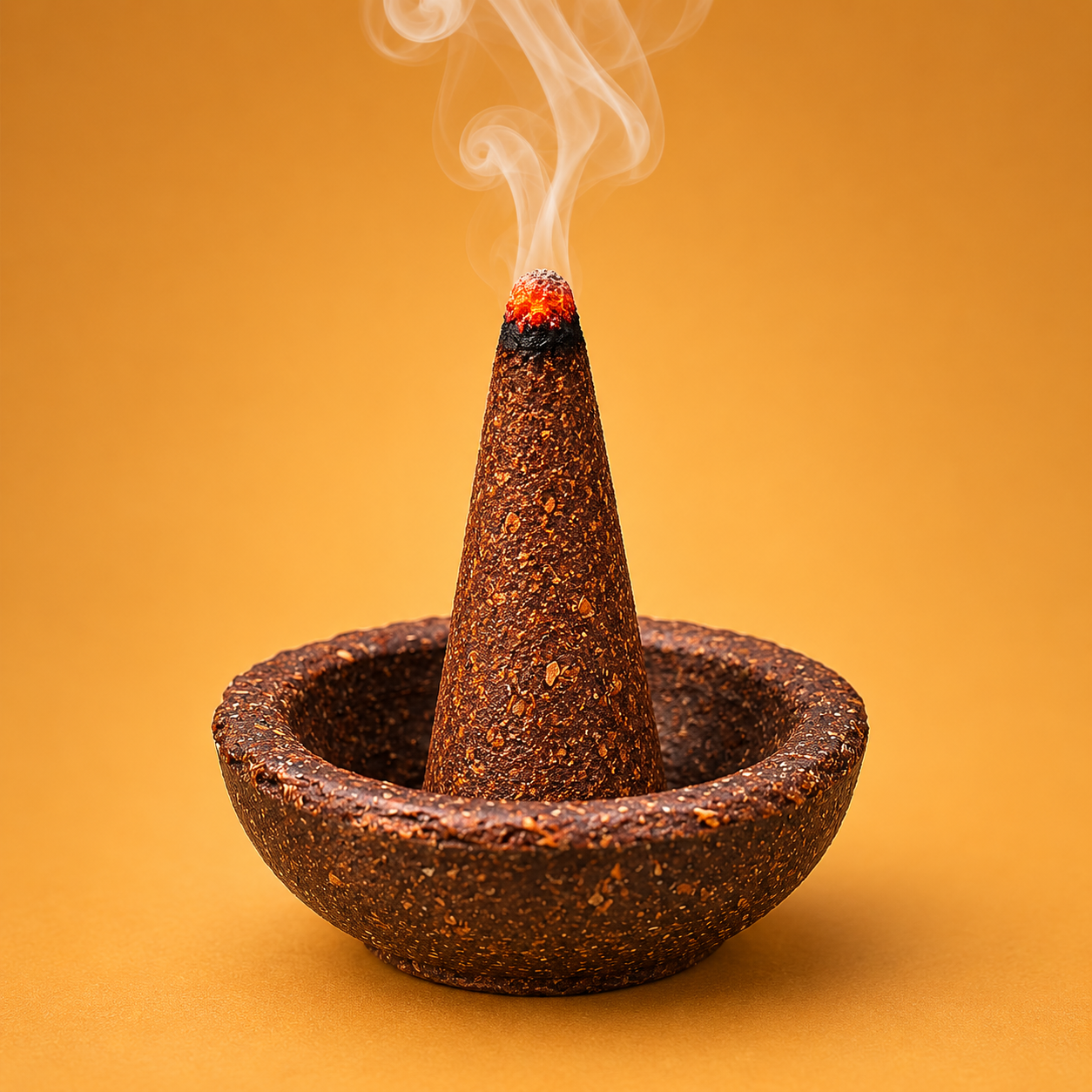 Incense Cones
 Havan Cups
 Herbal Wicks
 Essential Oils
Exceptional_cashmere_collections_including_designs_from_https_lola-jack-uk_co_uk

- Exceptional cashmere collections, including designs from https://lola-jack-uk.co.uk, elevate your everyday style
- The Origins and Production of Premium Cashmere
- Grading and Quality Characteristics
- Styling Cashmere for Everyday Elegance
- Versatile Outfit Ideas
- Caring for Your Cashmere Investment
- Storage and Maintenance Tips
- The Ethical Considerations of Cashmere Production
- Future Trends in Cashmere Fashion and Sustainability
Exceptional cashmere collections, including designs from https://lola-jack-uk.co.uk, elevate your everyday style
The allure of cashmere lies in its unparalleled softness, warmth, and luxurious feel. It’s a fiber that has been prized for centuries, adorning royalty and gracing the wardrobes of those who appreciate quality and timeless style. In today’s fashion landscape, discerning consumers are increasingly seeking brands that not only deliver exceptional craftsmanship but also embody a commitment to ethical sourcing and sustainable practices. Brands like https://lola-jack-uk.co.uk are leading the way, offering exquisitely designed cashmere pieces that elevate everyday wear into something truly special. The demand for versatile, high-quality cashmere continues to grow, making it a staple in modern wardrobes worldwide.
Choosing cashmere isn’t simply about selecting a garment; it’s about investing in a piece that will last for years, becoming a cherished part of your personal style. Understanding the nuances of cashmere – the different grades, the origins of the fiber, and the manufacturing processes involved – empowers consumers to make informed choices. A focus on classic designs coupled with a commitment to enduring quality is a hallmark of top-tier cashmere brands. This approach ensures that each piece remains relevant and desirable season after season, offering a sustainable alternative to fast fashion trends.
The Origins and Production of Premium Cashmere
Cashmere originates from the undercoat of Cashmere goats, traditionally inhabiting the harsh climates of the Himalayan region, including Mongolia, China, and Nepal. These goats develop a remarkably fine and soft fleece to withstand the extreme temperature fluctuations. The collection of cashmere is a labor-intensive process, often done by hand combing during the spring molting season. This delicate process ensures that only the finest fibers are gathered, preserving the integrity of the goat’s coat. The raw cashmere is then sorted, cleaned, and dehaired to remove any coarser fibers and impurities. The quality of cashmere is determined by several factors, including fiber diameter, length, and color. The finer the fiber, the softer and more luxurious the resulting yarn will be.
Grading and Quality Characteristics
Cashmere is commonly graded based on fiber diameter, measured in microns. The finest cashmere, typically between 15 and 19 microns, is known as Grade A or Premium Grade. This grade offers exceptional softness and a delicate handle. Grades B and C have slightly thicker fibers, ranging from 19 to 23 microns, and while still comfortable, they lack the supreme softness of Grade A. Fiber length is also crucial; longer fibers produce stronger and more durable yarns. Color plays a role as well, with white cashmere being the most prized as it requires less dyeing. A skilled artisan can discern the quality of the cashmere simply by touch, recognizing the subtle differences in texture and feel. The entire process, from goat to garment, demands expertise and a dedication to maintaining the integrity of this precious natural fiber.
| Grade A (Premium) | 15-19 | Exceptionally soft, fine, luxurious | High-end sweaters, scarves, delicate accessories |
| Grade B | 19-21 | Soft, good quality, durable | Sweaters, cardigans, blankets |
| Grade C | 21-23 | Slightly coarser, affordable | Outerwear, more robust knitwear |
Understanding these grading systems allows buyers to make informed decisions when investing in cashmere, appreciating the nuances that contribute to the price and quality.
Styling Cashmere for Everyday Elegance
The beauty of cashmere lies in its versatility. It can be effortlessly integrated into any wardrobe, adding a touch of sophistication to both casual and formal ensembles. A classic cashmere sweater is a foundational piece, perfect for layering under a blazer or wearing on its own with tailored trousers or jeans. Neutral colors like beige, gray, and navy are excellent investment choices, providing a timeless foundation for countless outfits. However, don’t be afraid to embrace seasonal colors and patterns to add a personal touch. From vibrant jewel tones to subtle pastels, cashmere can adapt to any aesthetic. The key is to choose pieces that reflect your individual style and complement your existing wardrobe. Brands like Lola Jack UK offer a curated collection that ensures a stylish addition to any closet.
Versatile Outfit Ideas
Consider the following outfit combinations to showcase the versatility of cashmere: Pair a cream cashmere sweater with dark-wash jeans and ankle boots for a relaxed yet refined weekend look. Layer a fine-gauge cashmere turtleneck under a tailored coat for a sophisticated office ensemble. Drape a luxurious cashmere shawl over a little black dress for an elegant evening outfit. A cashmere cardigan can be thrown over a simple t-shirt and shorts for a comfortable and chic summer look. The possibilities are endless! The most important thing is to choose pieces that feel comfortable and make you feel confident. Focus on quality and fit when selecting cashmere garments, ensuring they will drape beautifully and maintain their shape wear after wear.
- Invest in classic shapes and neutral colors for maximum versatility.
- Layer cashmere pieces to create depth and texture in your outfits.
- Don't be afraid to experiment with different colors and patterns.
- Choose cashmere that feels comfortable and flatters your body type.
- Proper care and storage will extend the life of your cashmere garments.
By following these simple tips, you can effortlessly incorporate cashmere into your everyday style, elevating your look with a touch of timeless elegance.
Caring for Your Cashmere Investment
Cashmere requires special care to maintain its softness and longevity. Unlike other wools, cashmere fibers are delicate and prone to damage if not handled properly. Hand washing is generally recommended, using a mild detergent specifically designed for wool or cashmere. Avoid harsh chemicals, bleach, and fabric softeners, as these can strip the fibers of their natural oils and cause them to become brittle. If using a washing machine, place the garment in a mesh laundry bag and select the delicate cycle with cold water. Never tumble dry cashmere, as the heat will cause it to shrink and felt. Instead, gently roll the garment in a towel to remove excess water and lay it flat to air dry, away from direct sunlight or heat.
Storage and Maintenance Tips
Proper storage is crucial to prevent cashmere garments from losing their shape and attracting moths. Store cashmere folded neatly in a drawer or on a shelf, away from direct sunlight and humidity. Avoid hanging cashmere sweaters, as this can cause them to stretch out of shape. To further protect your investment, consider using cedar balls or lavender sachets to deter moths. Pilling is a common occurrence with cashmere, but it can be minimized by gentle brushing with a cashmere comb. Regularly brushing your cashmere garments will remove loose fibers and keep them looking their best. With a little care and attention, your cashmere pieces will remain beautiful and luxurious for years to come.
- Hand wash cashmere in cold water with a mild detergent.
- Avoid harsh chemicals, bleach, and fabric softeners.
- Never tumble dry cashmere.
- Lay flat to air dry, away from direct heat and sunlight.
- Store folded neatly in a drawer or on a shelf.
Consistent care will preserve the value and exquisite feel of this treasured material.
The Ethical Considerations of Cashmere Production
While incredibly luxurious, the cashmere industry has faced scrutiny regarding its ethical and environmental impact. Traditional cashmere farming practices can lead to overgrazing, desertification, and the exploitation of nomadic herders. As demand for cashmere has increased, some producers have prioritized quantity over quality, resulting in lower-grade fibers and unsustainable farming methods. However, a growing number of brands are committed to responsible sourcing and ethical production, working directly with herders to implement sustainable grazing practices and ensure fair labor standards. Supporting these brands is crucial to promoting a more ethical and environmentally conscious cashmere industry. Transparency and traceability throughout the supply chain are essential to verifying the origin and quality of cashmere fibers.
Future Trends in Cashmere Fashion and Sustainability
The future of cashmere lies in innovation and sustainability. We’re seeing a rise in the use of recycled cashmere, transforming pre-consumer and post-consumer waste into new, high-quality yarns. Technological advancements are also enabling the development of alternative cashmere fibers, such as plant-based alternatives that mimic the softness and warmth of traditional cashmere. Consumers are increasingly demanding transparency and accountability from brands, seeking out those that prioritize ethical sourcing, responsible production, and circularity. The focus is shifting from fast fashion to slow fashion, emphasizing quality, durability, and timeless design. Brands like https://lola-jack-uk.co.uk are playing a key role in driving this change, demonstrating that luxury and sustainability can coexist. This evolution promises a more conscious and responsible future for the cashmere industry, ensuring its continued relevance for generations to come.
Ultimately, the continued appreciation of cashmere depends on a collective commitment to ethical practices and sustainable production. By supporting brands that prioritize these values, consumers can contribute to a more responsible and resilient cashmere industry, preserving the beauty and luxury of this remarkable fiber for years to come. A thoughtful approach to care and consumption ensures that each piece is valued and enjoyed, promoting a more sustainable and circular fashion system.