
 Incense Sticks
 Incense Cones
 Havan Cups
 Herbal Wicks
 Essential Oils
How Casino Software RNG Jackpots Explained Shapes Your Game Choice

Understanding casino software rng jackpots explained helps players separate marketing from mechanics. When you sit down at an online slot or a digital table, the outcome is never decided by a dealer’s mood or a lucky charm. It is driven by a random number generator, a piece of software that produces unpredictable results every millisecond. That matters because the structure of a jackpot, the frequency of hits, and the way a lobby presents its games all influence what you actually experience. For an Australian player weighing where to spend an arvo, the question is not just which game looks flashy, but which system is transparent enough to trust and whether the surrounding platform supports sensible play.
What the Software Actually Does
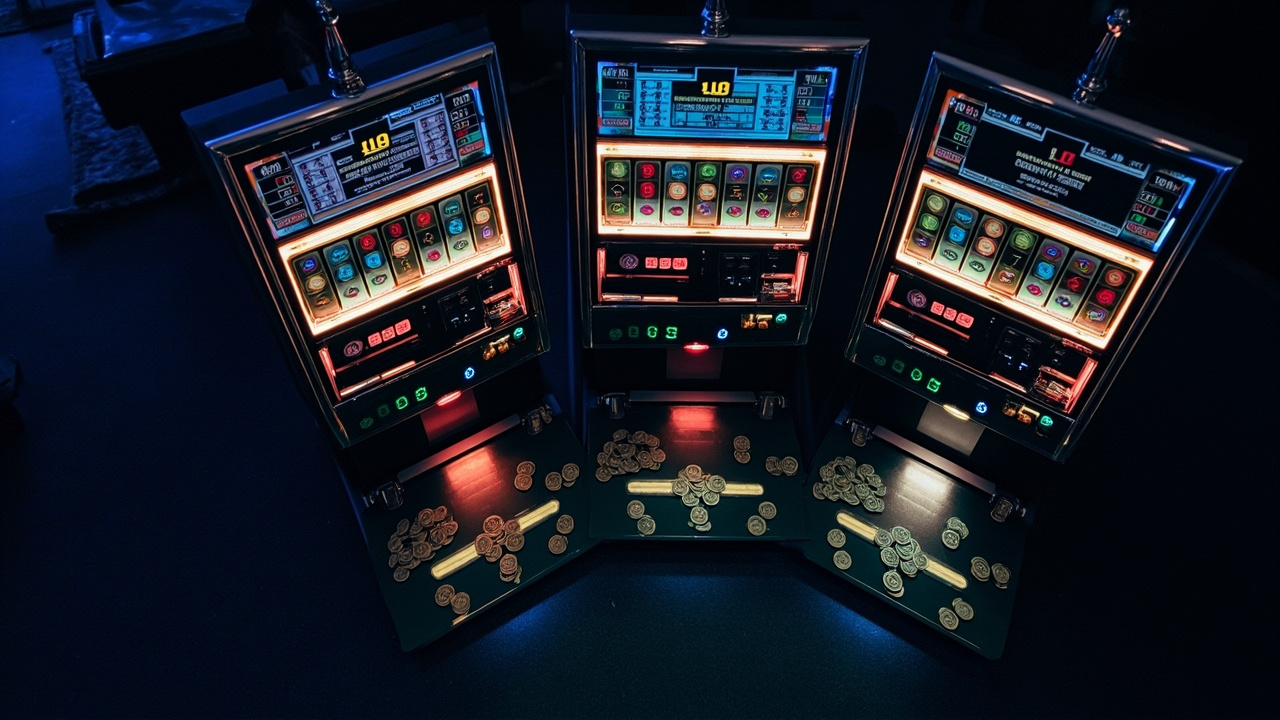
A random number generator is the engine behind every regulated digital casino game, and casino software rng jackpots explained starts with understanding that engine. The software continuously cycles through numbers, even when no one is pressing spin. When you hit the button, the game captures the current number and maps it to a specific outcome on the reels or cards. That means the result is locked in the instant you act, not determined by the screen animation that follows.
For jackpots, the software ties a separate prize pool or hit-frequency table to that same random process. Some games build a local jackpot that grows with each bet across a single machine, while others link into a wider network where contributions from many players feed one top prize. The software decides when that prize lands, and no pattern or timing strategy can influence it. From a partnerships and rights-management perspective, I see this the same way I evaluate a broadcast deal: the contract only works if the underlying mechanism is verifiable and the audience understands what they are actually buying into. If the software is opaque, the brand promise collapses.
Players often mistake near-misses or animated sequences for signals about what comes next. The software does not care about what you saw on the last spin. Each outcome is independent, and the jackpot trigger is governed by the same mathematical independence. That is why lobby organisation and clear game information matter as much as the software itself. When a platform presents its titles with honest hit-frequency context and clear jackpot types, it reduces the gap between expectation and reality.
Jackpot Types and How the Lobby Presents Them
Local and Networked Prize Structures
Local jackpots sit on a single game and accumulate from wagers placed on that title alone. They tend to be smaller but can hit more regularly, depending on the game’s design. Networked jackpots pool contributions across many machines or many players, which is why the top prize can climb quickly but the odds of landing it are correspondingly longer. Casino software rng jackpots explained becomes practical here because the lobby should make the distinction obvious before you commit your stake.
A well organised lobby groups jackpot games by type rather than burying them in a generic slots list. You should be able to tell at a glance whether a title carries a local prize, a progressive network prize, or a fixed top award. That clarity is the difference between a player making an informed choice and a player chasing a label they do not fully understand. In my experience structuring talent-led brand activations, the audience responds best when the offer is categorised honestly and the parameters are visible upfront.
Game Catalog, Providers and Discovery
The game mix matters because different providers build their jackpot logic differently. Some favour frequent small wins with a rare top prize, while others spread payouts more evenly and reserve the jackpot for a very low-probability event. A lobby with a broad mix of slots, tables, and live content gives you room to compare styles instead of being funneled into one design philosophy. Good search and discovery tools let you filter by provider, volatility, or jackpot type, which is useful when you have a specific session in mind.

Australian Keno draws numbers frequently throughout the day, and that rhythm is a useful reference point for how often a game can produce a result you care about. Keno is not a slot jackpot, but it shows how frequently scheduled draws can shape player expectations around timing and participation. When a lobby presents its catalog with clear provider labels and straightforward filters, you can decide whether you want a fast-paced session or a slower one without guessing.
Bonus States and Practical Expectations
Some platforms use banked bonus states that can create rare positive-expectation opportunities. That does not mean a guaranteed profit, and it does not turn a negative-edge game into a safe one. It means that under specific conditions, a bonus balance or accumulating feature may sit in a state where the expected return for the next phase is temporarily higher than the base game. The key word is rare, and the practical takeaway is that these states are exceptions within a broader system, not a repeatable plan.
I would treat this the same way I assess a sponsorship activation with a performance clause: the upside exists, but it is conditional on precise terms and timing. Players who understand that distinction are less likely to misread a bonus state as a signal to increase stakes. Clear lobby copy, transparent game rules, and accessible help pages all support that understanding. When the platform explains how a jackpot is funded and how a bonus state behaves, it becomes easier to judge whether a session fits your intent.
Choosing a Platform That Fits Your Play
A decision guide only works if it matches the way you actually play. Start by deciding what you want from the session: a quick spin on a local jackpot slot, a longer run across a network prize, or a table game with a fixed top payout. Then check whether the lobby makes those categories easy to find. If you have to dig through unrelated titles just to identify the jackpot type, the platform is adding friction where it should be adding clarity.
Next, look at the registration and mobile experience. A smooth sign-up and a mobile layout that keeps game information visible matter more than flashy banners. If you are logging in from a phone during a break, you want the jackpot type, the provider, and the basic rules to be readable without tapping through several screens. Support and loyalty mechanics should be straightforward too, because a platform that is hard to query is a platform that makes it harder to verify what you are playing.
If you are weighing a specific lobby, compare how it presents its jackpot games against how it handles payments and currencies. Consistent limits, clear currency display, and a straightforward withdrawal path all signal that the operator is thinking about the player journey end to end. For players who want to move from browsing to playing, a direct path such as the ozwin casino lobby login should lead to a lobby where jackpot types are labelled and the game mix is easy to scan. That kind of structure reduces guesswork and keeps the focus on the games themselves.
When you are ready to act, follow the practical sequence below:
- Decide which jackpot type matches your session goal.
- Use the lobby search or filters to isolate that category.
- Check the provider and game rules for the jackpot funding method.
- Confirm the stake range and any bonus-state terms before playing.
- Start with a stake that fits your plan and keep the session time in view.
Player Fit and Local Context
Not every jackpot structure suits every player. If you prefer frequent small moments of excitement, a local jackpot with a lower top prize may align better than a networked progressive that can go a long time without a hit. If you are chasing the larger number and can accept the longer wait, a network prize is the obvious match, provided the lobby presents the odds and funding model honestly. The right choice is the one that matches your patience, your stake plan, and the way you want the session to feel.
This philosophy of matching game mechanics to individual play styles is increasingly shaping how digital platforms design their user journeys. When exploring venues that prioritize intuitive navigation and tailored reward tiers, you can review the latest interface standards at https://soleilbrandingessentials.com/ or simply navigate directly through the ozwin casino lobby login portal. Such targeted approaches ensure that every session remains engaging, whether you are chasing a massive progressive roll-over or simply enjoying consistent, smaller payouts.
For players near Cairns, the local rhythm of play often matters more than the headline prize. A session that fits into a lunch break or an evening at home should feel manageable, not like a commitment that drags on. That is why lobby clarity, mobile readability, and honest game information matter as much as the jackpot itself. Eliza Davies, Head of Public Relations, Red Centre Analytics, has noted that players respond better when platforms explain jackpot mechanics in plain language rather than leaning on big-number marketing alone. That is a fair caveat: the number on the screen is only part of the story. Nurul-ilmi
Conclusion
Casino software rng jackpots explained comes down to one practical idea: the software decides the outcome, the lobby should make the jackpot type clear, and your choice should match the way you want to play. When a platform presents its catalog honestly, separates local and networked prizes, and gives you usable search and mobile access, you can judge the experience on its own terms. That is the difference between chasing a label and making a deliberate pick.