
 Incense Sticks
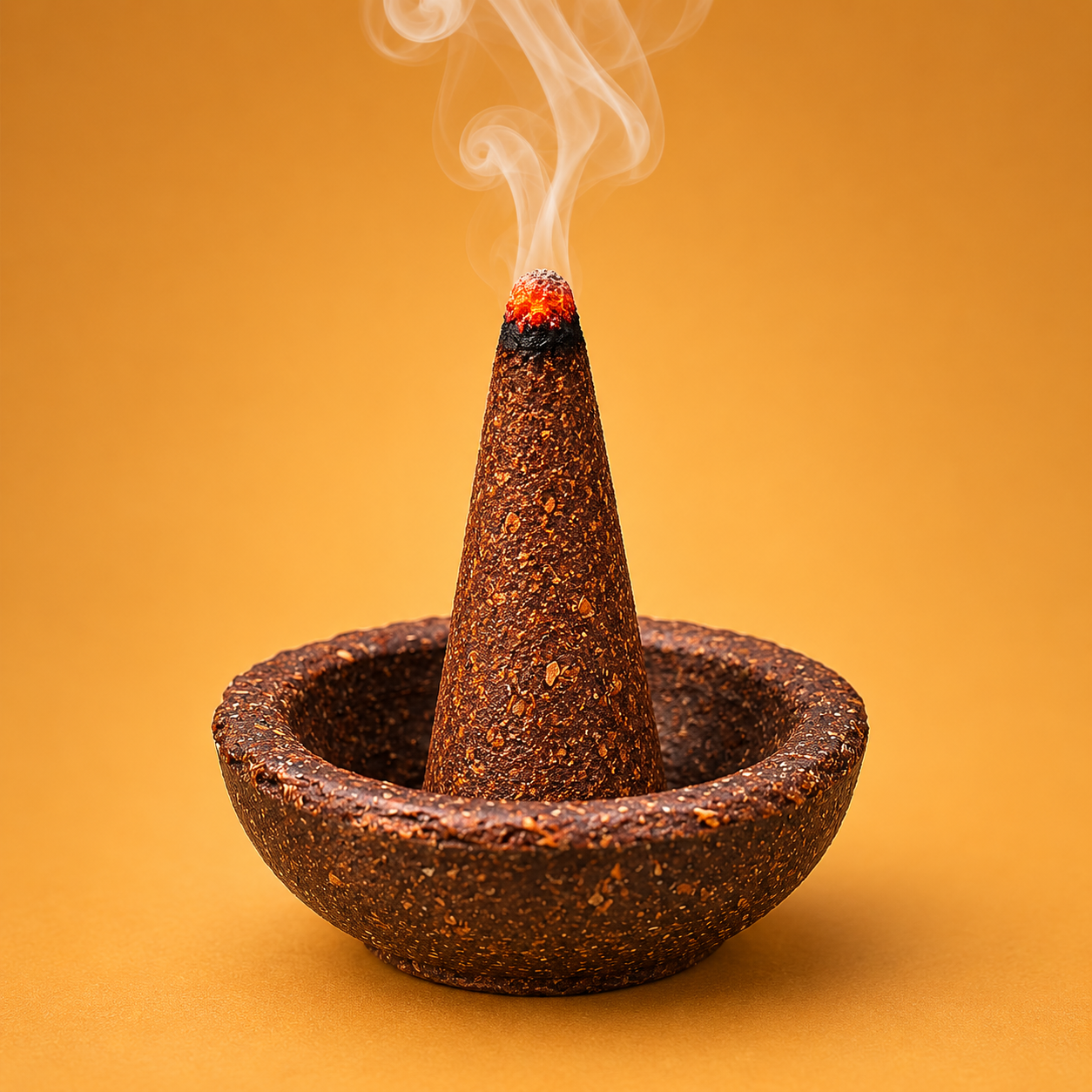 Incense Cones
 Havan Cups
 Herbal Wicks
 Essential Oils
Steal Spring Secrets From a 70 Year Old Gardener

Steal Spring Secrets From a 70 Year Old Gardener
There’s a certain magic that arrives when the first crocuses push through thawing soil. My grandmother, a sprightly woman of seventy with dirt permanently etched under her fingernails, has been coaxing life from the earth for over five decades. She doesn’t read gardening blogs or watch trendy YouTube tutorials. Her knowledge is rooted in observation, patience, and a few steadfast rules that she guards like family heirlooms. This spring, she finally let me in on her most cherished techniques, and I’m sharing them with you. For those who love a bit of calculated strategy and a touch of risk, you can explore similar rewarding complexities at https://spingranny-ie.net.
Her approach isn’t about expensive fertilizers or complicated irrigation systems. It’s about timing, intuition, and respecting the natural rhythm of the seasons. She treats her garden like a living ecosystem where every element has a purpose. The following secrets, gleaned from her weathered hands and sharp eyes, will transform how you prepare your own plot for the growing season.
The Golden Rule of Soil Temperature
Grandma insists that most amateur gardeners plant far too early. “The calendar means nothing,” she says, tapping the soil with her trowel. “Your hands are your calendar.” She waits until the earth at a depth of four inches feels cool but not cold, a sensation she describes as the temperature of a glass of water left on a nightstand. If you press your palm into the dirt and it feels biting, you’ll only rot your seeds. She uses a simple trick: sit on the ground for thirty seconds. If you don’t feel compelled to stand up immediately, it’s time to sow hardy crops like peas and spinach.
Compost: The Black Gold of the Backyard
Her compost pile is a sacred monument. It’s not a random heap of kitchen scraps but a layered operation. She follows a strict regimen of green matter (grass clippings, vegetable peels) and brown matter (dried leaves, cardboard). The secret, she whispers, is aeration. Every ten days, she turns the pile with a pitchfork, ensuring oxygen feeds the microorganisms. The result is a crumbly, dark humus that smells like a forest floor after rain. She uses this to top-dress every bed, never digging it in. “Let the worms do the work,” she advises.
Watering Wisdom That Defies Modern Advice
Forget the gentle sprinkle. Grandma waters deeply and infrequently. She fills a trench around each plant’s base and lets the water soak down to the root zone, sometimes for an hour. This encourages roots to grow downward, seeking moisture, making plants more drought-resistant. She only waters in the early morning, never in the evening heat or under the midday sun. “Wet leaves at night invite fungus,” she warns. She also uses a rainwater barrel exclusively, claiming tap water’s chlorine harms the soil’s microbiome.
Companion Planting: Nature’s Pest Control
Her garden looks like a chaotic patchwork, but every plant has a partner. She plants marigolds next to tomatoes to repel nematodes, and basil near peppers to improve flavor. She swears by the “three sisters” method for a sunny corner: corn, beans, and squash growing together. The corn provides a trellis for the beans, the beans fix nitrogen in the soil, and the squash’s broad leaves shade out weeds. It’s a symbiotic system that requires zero chemical intervention. Here are a few more of her favorite pairings:
- Carrots and onions – The onion scent confuses carrot flies.
- Dill and cabbage – Dill attracts beneficial wasps that prey on cabbage worms.
- Nasturtiums and cucumbers – Nasturtiums act as a trap crop for aphids.
- Lettuce and strawberries – Lettuce provides living mulch, keeping soil cool.
A Comparative Look at Soil Preparation Methods
My grandmother has experimented with various approaches over the decades. Below is a table comparing her traditional method with a common modern technique, showing why her slow-and-steady philosophy often wins.
| Aspect | Grandma’s Method (No-Dig & Compost) | Conventional Tilling Method |
|---|---|---|
| Soil Structure | Preserves natural layers; earthworms thrive | Breaks up aggregates; destroys fungal networks |
| Weed Suppression | Uses thick mulch (straw or wood chips) | Buries weed seeds; brings new ones to surface |
| Water Retention | High organic matter holds moisture | Compacted soil; water runs off quickly |
| Labor Required | Moderate initial effort; minimal later | High effort every season |
| Long-Term Fertility | Improves year after year | Often requires synthetic fertilizers |
Her no-dig approach, she explains, mimics how nature works in a forest. “The soil knows what it’s doing. We just need to listen.”
The Art of Pruning With Purpose
She prunes not with aggression but with intention. For fruit trees, she removes branches that cross or grow inward, opening the canopy to light and air. For tomato plants, she pinches off the suckers between the main stem and branches, directing energy into fruit production. “Every cut is a decision,” she says. “You’re telling the plant where to grow.” She always uses sharp, clean shears and makes cuts at a forty-five-degree angle to shed water and prevent rot.
Frequently Asked Questions
When is the safest time to plant tomatoes outside?
Wait until nighttime temperatures consistently stay above 10°C (50°F). Use a cloche or row cover if a late frost threatens.
How often should I turn my compost?
Every 7–10 days during warm weather. A well-turned pile can yield finished compost in 3–4 months.
Can I use grass clippings as mulch?
Yes, but let them dry out first. Fresh clippings can mat and become slimy. Apply a thin layer of 2–3 cm.
What’s the best way to deter slugs without chemicals?
Create a barrier of crushed eggshells or diatomaceous earth around vulnerable plants. Also, handpick them at dusk after rain.
Should I deadhead all flowers?
Only those you want to rebloom. For self-seeding flowers like poppies, leave the seed heads for next year’s crop.
How do I know if my soil is acidic or alkaline?
Buy a simple pH test kit from a garden center. Most vegetables prefer a pH between 6.0 and 7.0.
The Final Word From the Soil Whisperer
My grandmother’s greatest secret is not a technique but an attitude. She approaches gardening with curiosity, not control. She watches the weather, listens to the birds, and notes which plants struggle and which thrive. She accepts that some years will be bountiful and others lean. “You don’t fight the garden,” she says, wiping a smudge of dirt from her cheek. “You dance with it.” This spring, step outside, kneel down, and put your hands in the soil. Let the earth teach you what no book can. And if you ever find yourself needing a little extra luck or a strategic edge, remember that calculated risks can sometimes yield the most beautiful surprises.